Just How Waste Equipment Boosts Efficiency in Garbage Compactor Operations
Waste Equipment plays a crucial duty in boosting the effectiveness of garbage compactor operations. By employing advanced sensing units and automation, these systems improve compaction cycles and check load abilities successfully. This integration not only saves power but likewise minimizes pick-up frequency and associated expenses. As companies increasingly take on these modern technologies, the implications for operational sustainability and administration strategies end up being more clear. What various other advantages might arise from these advancements in waste Equipment?
The Function of Advanced Sensors in Compaction Effectiveness
Advanced sensing units play an essential role in enhancing the efficiency of trash compactors. These advanced gadgets keep track of different specifications, consisting of tons capacity, dampness levels, and compaction cycles, permitting real-time changes. By precisely evaluating the quantity of waste, sensing units enable compactors to maximize their operation, ensuring that energy intake is decreased while optimizing the quantity of waste refined.
Moreover, advanced sensing units add to predictive upkeep by identifying prospective problems prior to they lead to Equipment failure. This proactive technique not only minimizes downtime yet additionally expands the life expectancy of the compactor. On top of that, data collected from these sensors can be examined to boost functional methods, leading to enhanced waste administration techniques. On the whole, the assimilation of advanced sensing units in trash compactors considerably boosts their performance and operational performance, equating into expense financial savings and an extra lasting approach to garbage disposal.
Toughness and Layout: Products That Issue
The durability and style of garbage disposal copyright greatly on the materials made use of in their building. High-quality steel is frequently the main selection, offering toughness and resistance to tear and use. This durable material holds up against the enormous pressure applied during compaction, making sure long life and reliability. Furthermore, parts such as hydraulic systems are typically crafted from corrosion-resistant alloys to avoid deterioration with time, enhancing operational efficiency.
Style likewise plays a vital function in performance; strategic reinforcements and ergonomic forms can considerably influence performance. Manufacturers often prioritize modular styles, enabling for less complicated upkeep and repairs. Moreover, advancements in covering innovations, such as powder finish, boost resistance to environmental variables, including moisture and chemicals. Ultimately, the cautious selection of materials not only boosts the structural honesty of garbage compactor yet likewise adds to their total efficiency and performance in waste administration operations.
Automation and Smart Modern Technology in Waste Equipment

Automated compactors can optimize compaction cycles based on the volume of waste, taking full advantage of room and enhancing operational efficiency. Assimilation with mobile applications permits individuals to keep an eye on and manage compactors from remote locations, boosting convenience and responsiveness. By taking on these modern technologies, waste monitoring business can not only improve their functional operations however additionally contribute to even more sustainable practices by reducing waste and maximizing resource usage. Overall, automation and wise technology stand for a significant jump onward in the efficiency of garbage compactor procedures.
Data Analytics for Enhancing Waste Management
Taking advantage of data analytics supplies waste management business an effective device for enhancing operations and improving effectiveness. By gathering and analyzing data from different sources, such as compactor performance metrics and waste generation patterns, business can get important insights. These understandings allow them to make informed choices pertaining to collection timetables, compactor use, and upkeep requirements.
Predictive analytics can anticipate waste generation patterns, permitting firms to allocate resources more efficiently and avoid possible overflows or underutilizations of Equipment. Real-time surveillance via information analytics additionally boosts the capacity to react promptly to functional challenges, minimizing downtime and boosting solution reliability.
Furthermore, incorporating information analytics with existing waste monitoring systems cultivates a society of continuous enhancement. By tracking and identifying inefficiencies performance in time, business can fine-tune their processes and adopt best practices, ultimately resulting in a more reliable and lasting waste monitoring strategy.
Price Financial Savings Via Boosted Operational Efficiency
By enhancing procedures and lessening waste, business can accomplish significant price financial savings in their waste management processes. Boosted operational effectiveness in trash compactors minimizes the regularity of pickups, leading to reduced transport costs. In addition, advanced waste Equipment permits maximum compaction, making the most of container capacity and lessening the need for added containers.
This raised performance not just reduces waste disposal costs yet also expands the lifespan of Equipment, minimizing maintenance expenses. Automated surveillance systems give real-time information, permitting proactive modifications in waste handling, which can additionally enhance performance and lessen unplanned expenditures.
Furthermore, durable training programs for staff on Equipment use can result in enhanced operational methods, better driving down costs. Eventually, the assimilation of efficient waste Equipment promotes an affordable waste monitoring strategy that benefits firms financially while making certain smoother operations.
Environmental Effect: A Lasting Method to Waste Administration
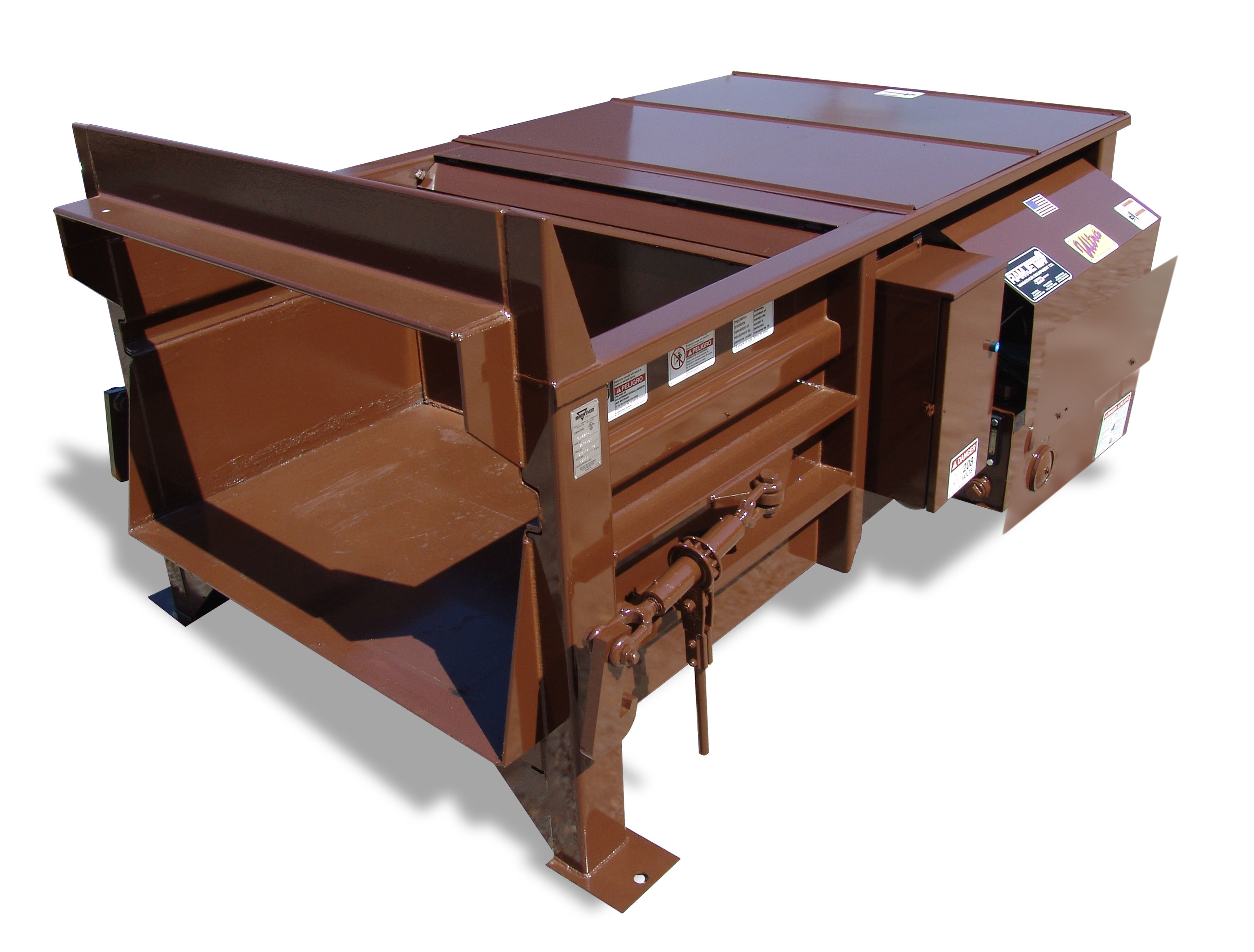
Applying recycling efforts along with compaction procedures allows firms to divert products from landfills, promoting round economy principles. Organizations that adopt eco-friendly practices not only improve their company responsibility but additionally interest increasingly eco-conscious consumers. By prioritizing sustainability in waste administration, organizations can achieve a dual benefit: improving functional efficiency while actively adding to environmental conservation. This balanced method placements businesses as leaders in lasting methods, promoting a much healthier earth for future generations.
Often Asked Questions
How Often Should Waste Equipment Be Preserved for Ideal Performance?
The frequency of maintenance for waste Equipment typically depends upon use and maker suggestions - see this Industrial waste compaction equipment. Normally, examinations should take place quarterly, with extensive maintenance each year to assure peak efficiency and protect against possible failures or inadequacies
What Kinds Of Waste Can Be Refined in Garbage Compactors?
Garbage compactors can process different kinds of waste, including cardboard, paper, plastics, and non-hazardous food waste. Customers need to avoid compacting hazardous products, steels, and liquids to guarantee secure and reliable operation.
Exist Safety And Security Features in Modern Garbage Compactors?
Modern garbage compactor frequently include safety and security functions such as automatic shut-off devices, emergency stop switches, and sensor systems (Industrial waste compaction equipment). These improvements are developed to shield individuals from potential dangers during operation, advertising a safer working setting
How Does Waste Equipment Effect Labor Requirements?
The influence of waste Equipment on labor needs is significant; it commonly minimizes the need for hands-on labor, enhancing and streamlining procedures productivity. Consequently, fewer employees are needed, permitting organizations to designate resources a lot more effectively.
What Is the Typical Lifespan of a Garbage Compactor?
The average lifespan of a garbage compactor generally ranges between 10 to 15 years, relying on use, maintenance, and environmental aspects. Normal servicing can extend this life expectancy, ensuring perfect performance and dependability throughout its functional years.
By adopting these technologies, waste management business can not only enhance their operational workflows but likewise add to even more lasting practices by minimizing waste and optimizing source use. By reducing and improving operations waste, companies can accomplish considerable cost savings in More Bonuses their waste administration processes. Lasting waste monitoring approaches, particularly in trash compactor procedures, add substantially to reducing landfill waste and lowering carbon footprints. Modern waste Equipment is developed to optimize compaction, thus decreasing the quantity of waste requiring disposal. Garbage compactors can refine different types of waste, including cardboard, paper, plastics, and non-hazardous food waste.